


Every year or two, there isanother story of a lawyer or judge who relapses to alcohol or drug addictionafter long-term sobriety. With help,some get themselves back onto the road of recovery in spite of losses toreputation and to relationships. Laura Morris is an experienced clinical practitioner and CQC Registered Manager with over twenty years experience, over ten of which have been as an Independent Nurse Prescriber. She has held a number of senior leadership roles in the marijuana addiction substance use and mental health sector in the NHS, the prison service and in leading social enterprises in the field.
Effective Relapse Prevention Strategies
- We publish material that is researched, cited, edited and reviewed by licensed medical professionals.
- Programs that improve employment opportunities and educational access, along with robust support networks, may enhance recovery outcomes, ultimately leading to better long-term sobriety rates.
- So whether you’re from rehab and still have drinking problems, most have trustworthy health information to help you maintain sobriety.
- Various factors can affect the likelihood of a relapse, including the severity of the addiction, the presence of co-occurring mental health issues, environmental pressures, and the type of treatment received.
- Drug rehab involves a structured process of assessment, detoxification, therapy, life skills development, and aftercare to support individuals in overcoming addiction and achieving lasting recovery.
A holistic approach that addresses both the physiological and psychological aspects of addiction is necessary to combat the high addiction relapse rates in the United States. Engagement in individual or group therapy can enhance recovery by offering a space to explore and modify problematic behaviors. Support from community programs, such as Alcoholics Anonymous (AA), has been found to reduce relapse rates by 60%. This emphasizes that ongoing psychological support can lead to more favorable recovery outcomes, reinforcing the importance of addressing these psychological aspects. Empowerment in recovery involves taking proactive steps to monitor one’s emotional and mental state. By understanding these stages, individuals can recognize early warning signs, apply coping strategies, and utilize social support effectively, enhancing their overall resilience against relapse.
How does social support influence relapse rates?

The support systems surrounding individuals in recovery can play a crucial role in relapse prevention. Involving family members in the recovery process has been shown to improve success rates by up to 50% 2. https://gour.media/why-you-get-stuffy-nose-after-drinking-alcohol-and-8/ With the right approach, support, and strategies in place, individuals can navigate the complexities of addiction and work towards long-lasting recovery. Research shows that individuals with mental health disorders face higher relapse rates.
- After putting in the hard work at a treatment center and with a team of professionals, it can be intimidating to return to the real world and experience common triggers.
- This is particularly similar to chronic diseases like hypertension and asthma, which also exhibit comparable relapse rates of 50% to 70%.
- 23.4% of people with an alcohol use disorder in the United States have had a relapse if they have attended fewer than six AAA meetings.
- Create a safe environment, manage symptoms, and seek professional help to ensure a safe and successful recovery.
What Does Meth Smell Like: Learn How to Identify This Dangerous Scent
Individuals lacking strong social support networks face a higher risk of relapse; rates can climb to 65% without this crucial element. Conversely, what percent of alcoholics relapse those surrounded by encouraging friends and family often report significantly lower relapse rates, indicating the protective effects of a robust support system. The journey to recovery from alcohol use disorder (AUD) is incredibly personal and varies significantly among individuals. Studies indicate that approximately 36% of alcoholics can achieve full recovery on their own within their first year. This statistic emphasizes that self-recovery is a viable path for some individuals struggling with alcoholism.

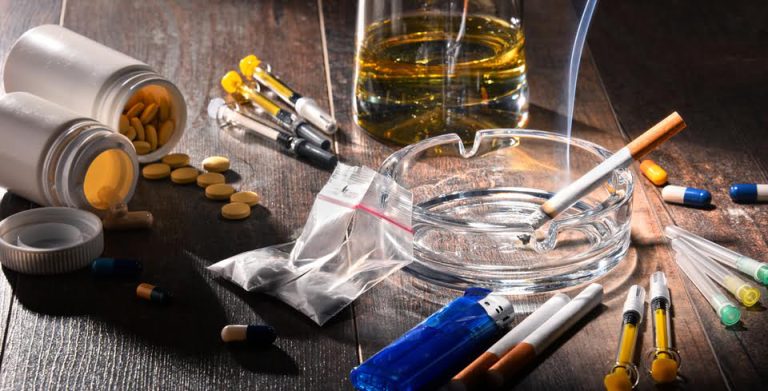
But being realistic about relapse – the ups, downs, statistical probabilities – isn’t being pessimistic. Because the truth is, the call to drink can be loud when a person feels emotional, stressed, or void of hope. Plus, even “good” times can cloud judgment when it comes to the true cost of having a single drop. But with time, support, and the right care, lasting change is absolutely possible.